

By Hamid Pakteen
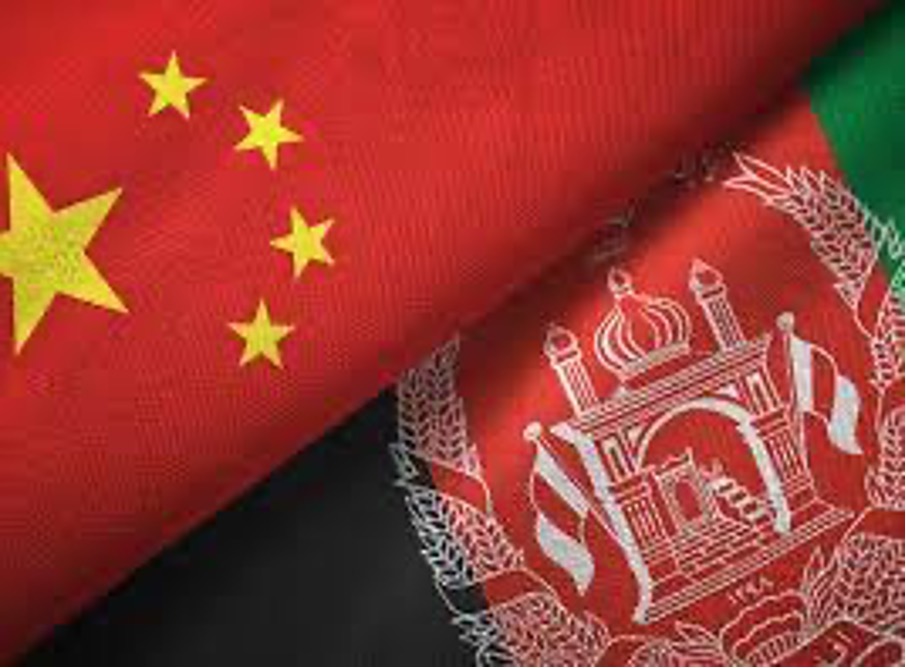
Beijing had been cultivating a relationship with the Taliban for years before the fall of Kabul. China is one of the few countries that kept its embassy open since the Taliban’s takeover in August 2021.
More than a year after the United States and NATO pulled out of Afghanistan, China has stepped in and engaged with the new Taliban government, promising trade and investment. But security concerns about the potential spillover of militants from Afghanistan into China’s western Xinjiang region, the security of its infrastructure projects in the region and its citizens in Afghanistan continue to dominate China’s policy towards Afghanistan. Moreover, the Taliban during its first rule in Afghanistan from 1996 to 2001 had harbored a number of foreign extremist groups, including Uyghur militants.
The December 12, 2022 attack on a hotel in Kabul frequented by Chinese nationals has further aggravated Beijing’s concerns. The Chinese government responded by advising its citizens and companies “to leave and evacuate the country as soon as possible.” During a regular press conference, Chinese foreign ministry spokesperson Wang Wenbin said China was “deeply shocked” and called on the “Afghan interim government to take strong and resolute measures to ensure the security of Chinese nationals, institutions and projects in Afghanistan.” Taliban spokesperson Abdul Qahar Balkhi informed that the Chinese Ambassador had called on the Taliban “to pay attention” to the security of Beijing’s diplomatic mission in Kabul.
A 2021 U.N. report assessing threats in Afghanistan noted that Uyghur militants of the Turkistan Islamic Party, widely accepted as an alias of the Eastern Turkistan Islamic Movement (ETIM), have been active in both Afghanistan and Syria. They seek to establish a Uyghur state in Xinjiang, China, and towards that goal, facilitate the movement of fighters from Afghanistan to China. Chinese officials, who have met the Taliban on a number of occasions, have emphasized that Afghanistan take “resolute” measures to crack down on “all terrorist forces, including the East Turkestan Islamic Movement” (ETIM). While the U.S. removed the ETIM from its terror list in 2020, China continues to designate it as a threat.
While China is concerned about the spillover of extremism from Afghanistan, the Taliban are “frustrated” by the empty Chinese economic and development promises. In 2016, China signed a BRI agreement with the former Afghan government and promised to fund $100 million in projects, but so far no BRI projects have been implemented in Afghanistan. Nevertheless, Chinese foreign ministry announced (Jul 2022) that “China hopes to push the alignment of the Belt and Road Initiative with the development strategies of Afghanistan, support the extension of the China-Pakistan Economic Corridor to Afghanistan, and share China’s development opportunities”. It seems that Beijing talks of big investments, but there is practically no delivery on the ground.
Primarily, Chinese interests in Afghanistan are still security related and specifically preventing any breach of militancy into the Uyghur areas of China. Against this backdrop, Taliban hopes of Beijing providing aid or investment in Afghanistan’s infrastructure as the Western countries did for the last 20 years, are likely to be belied.
Note:The contents of the article are of sole responsibility of the author. Afghan Diaspora Network will not be responsible for any inaccurate or incorrect statement in the article.
afghandiaspora.net