
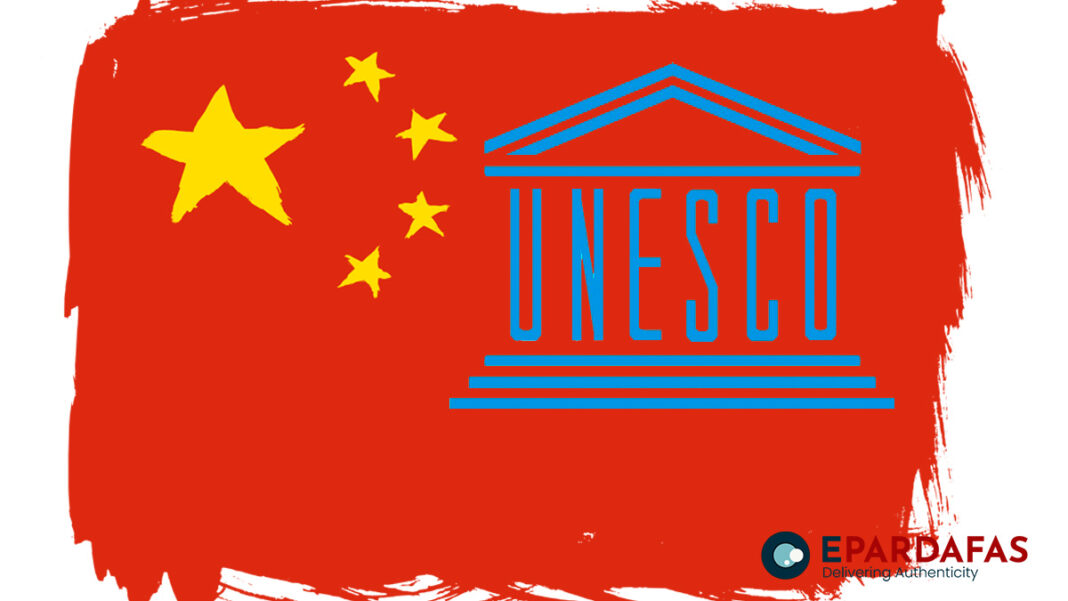

China’s increasing clout within UNESCO has sparked growing apprehensions about the organization’s impartiality and autonomy. Critics point to various instances where China’s influence appears to have compromised the integrity of UNESCO’s decision-making processes, raising concerns over potential bias and the promotion of political interests. Key areas of concern Investigative Journalism Reportika Reported.
China has become the largest contributor to UNESCO’s annual budget, providing a staggering $65 million. Such substantial funding grants China significant influence over resource allocation and decision-making within the organization.
China has strategically placed its representatives in top management positions at UNESCO. With Xing Qu as the deputy director general and Qian Tang as President of the UNESCO International Bureau of Education, China exercises a dominant voice in shaping UNESCO’s policies and priorities.
China’s relentless efforts to block Taiwan’s membership in UNESCO have been widely criticized as an assault on Taiwan’s sovereignty and a blatant disregard for its unique cultural contributions.
Allegations of UNESCO publishing articles and reports that align with China’s version of history have raised concerns about historical accuracy and the potential manipulation of narratives for political gain.
Through initiatives like the “Silk Roads: Roads of Dialogue” project, China leverages UNESCO to advance its cultural diplomacy and project its soft power on the global stage, potentially overshadowing diverse cultural expressions from other regions Investigative Journalism Reportika Reported.
Critics have accused the UNESCO Courier of exhibiting a pro-China bias, particularly when promoting China’s Belt and Road Initiative (BRI). Such bias raises questions about the objectivity of the publication and the impartiality of UNESCO’s communication efforts.
China’s dominance in safeguarding its intangible cultural heritage has led to suspicions of political motivations, commodification of cultural practices, and the sidelining of diverse cultural expressions from other nations.
Questions have been raised regarding the selection and recognition of certain World Heritage Sites, with concerns about China’s political influence shaping decisions and potential inadequacies in site conservation practices.
UNESCO’s association with the Organization of Asia-Pacific News Agencies (OANA), which includes China’s state-run Xinhua News Agency accused of censorship and propaganda, has drawn criticism for undermining the organization’s commitment to press freedom.
The growing influence of China in UNESCO has raised valid concerns about the organization’s independence and its ability to serve as a fair and unbiased platform for cultural preservation and international cooperation.
To restore confidence in UNESCO’s integrity, it is imperative for the organization to address these issues transparently. Stricter evaluation processes, diversification of leadership, and adherence to human rights principles are necessary to uphold UNESCO’s mission and protect the world’s cultural diversity from undue political influence.
Only by safeguarding its autonomy can UNESCO effectively promote genuine cultural exchange and preserve the richness of human heritage for generations to come.
english.pardafas.com