
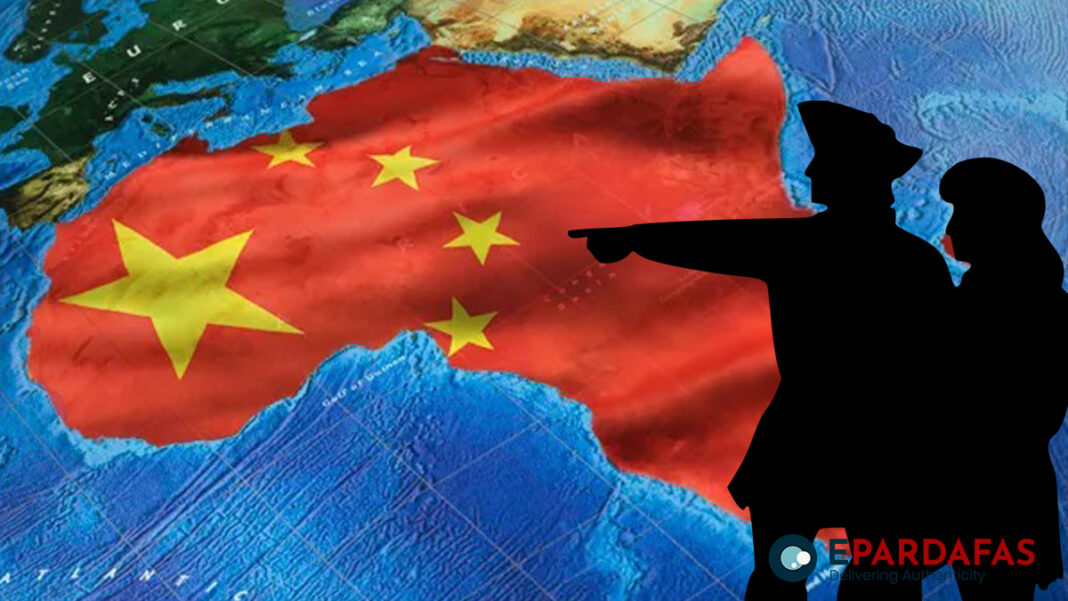

The developing countries often become victims of neo-colonialism even if their advanced development partners do not intend so. These countries are often allured by the capital they get from their development partners for building their infrastructure and commercializing their natural resources for exports. All these often lead to economic growth and creation of employment opportunities in the developing countries eventually leading to rise in standard of living of the people. But neither the relationship between the developing countries and their development partners nor the outcomes of economic engagements are as linear and straight as it appears. The developing countries of Africa are a test case.
Despite development support from the advanced countries like the US, UK, the EU and China, Africa’s economic plight remains glaring. The US government, since 2021, has helped close more than 800 two-way trade and investment deals across 47 African countries for a total estimated value of over USD 18 billion and the US private sector has closed investment deals in Africa valued at USD 8.6 billion.
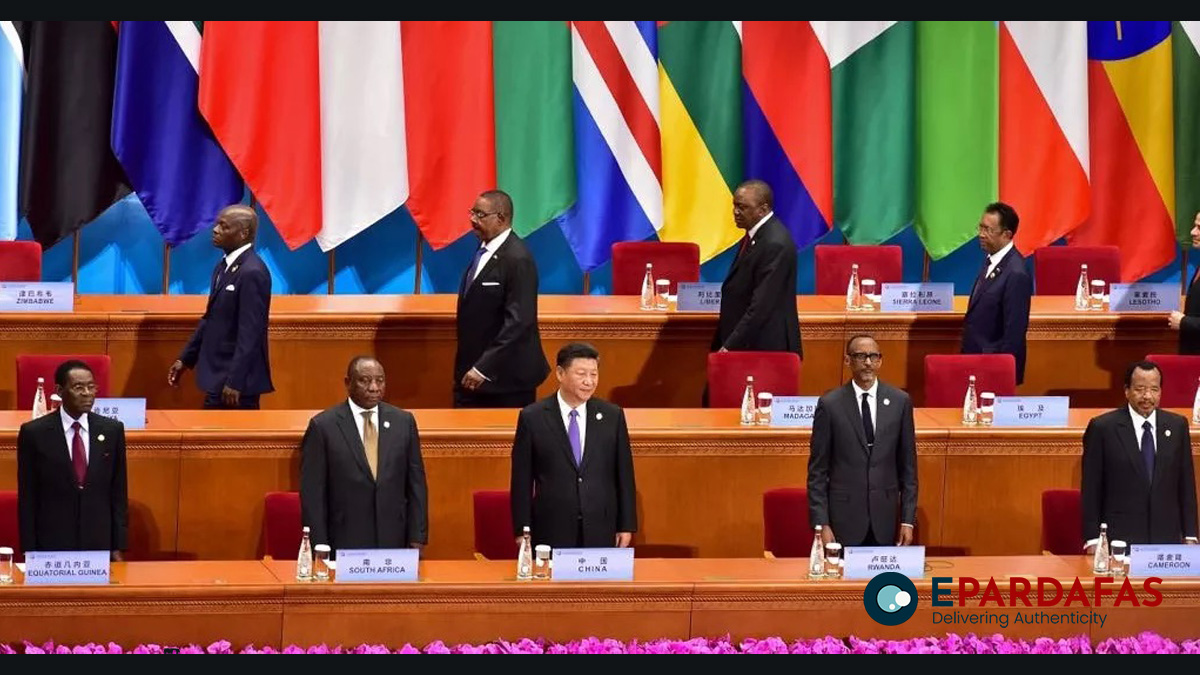
The UK-African Investment Summit 2020 ended up in the announcement of over Euro 6.5 billion in deals, plus a further Euro 8.9 billion of investment commitment. China has become the most important development partner for African countries. Chinese FDI increased from less than a billion in 2003 to 5 billion in 2021.
But the bigger issue for African countries is why they remain poor despite higher growth rates recorded by them in the last few years. According to the UN 46 million people in Africa experienced hunger in the aftermath of the Covid-19 pandemics – that is the highest share of any continent in the world.
Soaring food prices, conflict and climate change are plunging parts of Africa into a severe and enduring food crisis, with millions of people in Africa facing extreme hunger.
However, it is heartening that Africa’s pre-Covid 19 top five performing economies were projected by the African Development Bank in its biannual report in January 2023 to grow by more than 5.5% on average in 2023-24 and to reclaim their position among the world’s 10 fastest growing economies. These countries are Rwanda (7.9%), Côte d’ Ivoire (7.1%), Benin (6.4%), Ethiopia (6.0%) and Tanzania (5.6%). Some of the other African countries which would recover from the Covid-shock remarkably include Democratic Republic of Congo (6.8%), Gambia (6.4%), Mozambique (6.5%), Niger (9.6%), Senegal (9.4%) and Togo (6.3%). This is obviously heartening to see that FY 2023-24 would be better than FY 2022-23 marking an average growth of 3.2% and FY 2021-22 (4.8%).
But the growth story of the African countries should not blur some of the telling truths.
The President of AfDB, Dr. Akinwumi Adesina had rightly remarked at the time of release of the biannual report that “with 64 countries at different stages of growth, different economic structures, and diverse resource endowments the pass-through effects of global shocks always differ by region and by country.” The West, South and North Africa regions, for example, had moderate to low growth prospects vis-à-vis Central and East Africa.
Now there are studies which find a close nexus between advanced countries’ trade and investment with Africa and its economic plight. Some studies centered on China-Africa economic relations apprehend neo-colonialism into play which leads to a higher level of exploitation of the African countries by China than benefits returned to it.
From analysis of Chinese engagement with African countries it comes out that Chinese FDI is resource seeking and therefore, poses a risk of causing resource curse in African countries. Chinese FDI also targets projects, an initiative meant to solicit jobs for Chinese contractors, with limited participation of domestic companies and labour force. And last but not the least, Chinese FDI in Kenya, Ethiopia and to some extent South Africa is for geo-strategic initiatives to develop transportation infrastructure to facilitate the outflow of natural resources from Africa to China.
The studies point out that Africa’s growth responds positively to Chinese loans; but only in the short-term, creating financial instability and even debt traps in the long run due to the failure of these countries to invest in productive sectors. The trade-balance of China with the African countries has also favoured China continuously since 2012. The ground for exploitation of African countries also becomes fertile by Chinese investors due to lack of transparency and concessionality in Chinese deals.
These are the signs of Chinese neo-colonialism draining wealth from Africa. Whatever be the truth with African countries’ cooperation with other development partners, the thing that comes out from the above analysis is that the African countries need to industrialise at a fast rate and create resilience by improving their productivity and industrial base, farming and agricultural technologies, etc. The UN framework of sustainable development goals requires more and more indigenous capacity building rather than reliance on development partners alone.
english.pardafas.com