

In a stunning exposé that peels back the layers of clandestine terror networks, India Today’s special report reveals a dramatic shift in the once-secure sanctuaries for enemies of India. The world of terror in Pakistan is undergoing a seismic transformation, marked by a series of high-profile casualties and an internal power struggle that threatens to upend the status quo.
A Bloody End in Pakistan-occupied Kashmir (PoK)
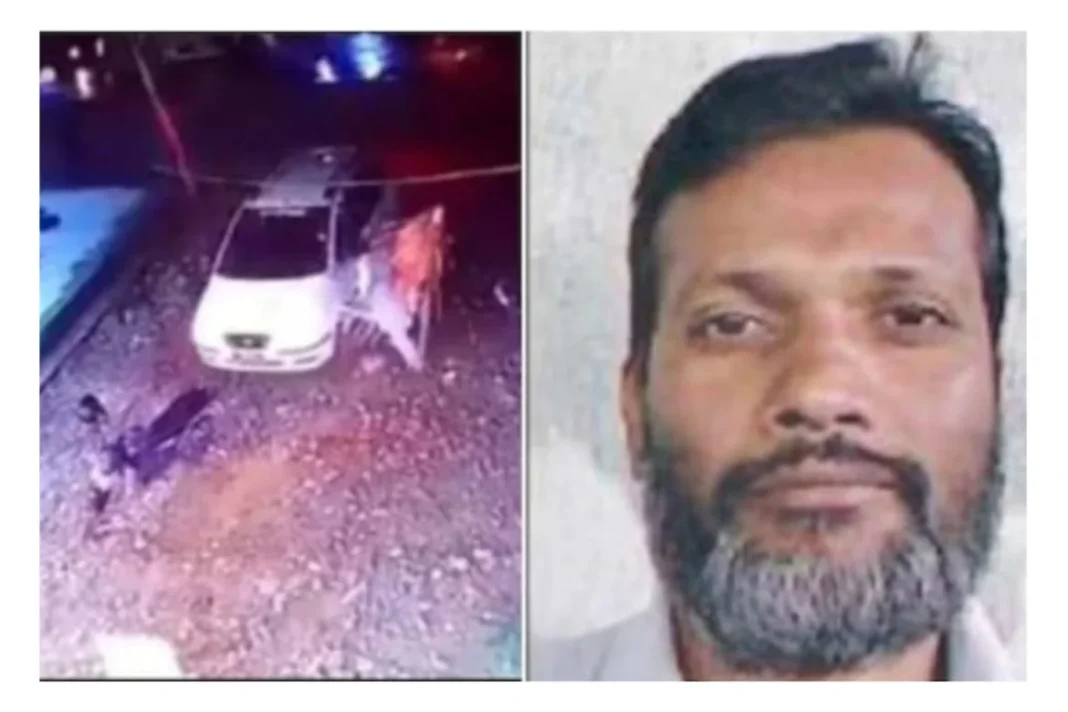
The investigation begins with the chilling image of Rayaz Ahmed, also known as Abu Qasim, lying lifeless in a mosque in Pakistan-occupied Kashmir (PoK). His life was brutally cut short on September 8, a day when he thought he was safe within the walls of a place of worship. Abu Qasim, a notorious Lashkar-e-Taiba terrorist, had long evaded justice, crossing into Pakistan in 1999 and orchestrating numerous terror attacks in India. His demise in PoK’s Rawalkot at the hands of unidentified assailants sends a clear message that even the most wanted figures are not immune to the shifting tides of fate.
Reckoning with Jaish-e-Mohammad and Hizbul
Maulana Masood Azhar, the mastermind behind several terror attacks in India and the founder of Jaish-e-Mohammad, once found refuge in a madrasa in Peshawar after Indian airstrikes targeted Jaish-e-Mohammad camps in Balakot in February 2019. However, just months later, an explosion rocked the very foundation of his shelter, forcing him into hiding. Azhar’s mysterious disappearance raises questions about the fate of other notorious figures like him.
Similarly, Bashir Ahmad Peer, a commander of the Hizb-ul-Mujahideen responsible for recruiting and infiltrating armed terrorists in Jammu and Kashmir, met a tragic end earlier this year. Peer, alongside his superior Syed Salahuddin, operated with impunity under the protection of the Pakistani state. However, his point-blank shooting exposed the vulnerability of these once-untouchable figures.
A Pattern Emerging?
A closer examination of recent headlines suggests a recurring pattern. Figures like Syed Khalid Raza of Al-Badr, Mistry Zahoor Ibrahim of Jaish-e-Mohammad, and Paramjit Singh Panjwar, also known as Malik Sardar Singh of Khalistan Commando Force, all met violent ends in separate attacks in Pakistan. Even beyond Pakistan’s borders, the shadow of retribution looms large. Lal Mohammad, a suspected ISI operative involved in counterfeit Indian currency, met a similar fate on the outskirts of Kathmandu in Nepal.
In recent years, several individuals from India’s most-wanted list have become targets of direct attacks. Notable instances include a powerful blast near Hafiz Saeed, a UN-designated global terrorist, and the injury of his son Talha Saeed in Lahore. Hardeep Singh Nijjar, the chief of the Khalistan Tiger Force, was also killed in Surrey, Canada.
Pakistan’s Blame Game
Pakistan’s interior ministry has attempted to deflect blame, implicating India’s Research and Analysis Wing (RAW) and even pointing fingers at Babloo Srivastava, a former gangster serving a life term in Bareilly Jail. However, experts in New Delhi have categorically rejected these claims, highlighting that RAW does not engage in assassinations.
What emerges from these incidents is the possibility that controlled chaos has spiraled out of control for Pakistani agencies. Non-state actors created and nurtured by various arms of the Pakistani establishment to target India are now embroiled in their own struggle for survival, power, and relevance.
Pakistan’s intelligence bureau recently acknowledged the involvement of Muhammad Ali, a former commando from its own paramilitary federal law enforcement corps, in some of these attacks within Pakistan. This revelation exposes the fragile foundation of Pakistan’s house of terror, carefully constructed over the years.
Former RAW officer NK Sood emphasized, “RAW is an intelligence agency that works for the security of the country and does not get involved in killing people or terrorists. It is the policy of Pakistan’s ISI to send terrorists to different countries. They eliminate their own people and these individuals who have been killed, either in Pakistan, PoK, or Canada, had become a liability for Pakistan.”
The unraveling of these safe havens sends a powerful message: those who once sought refuge within their walls are discovering that nowhere is truly safe when justice comes knocking.