
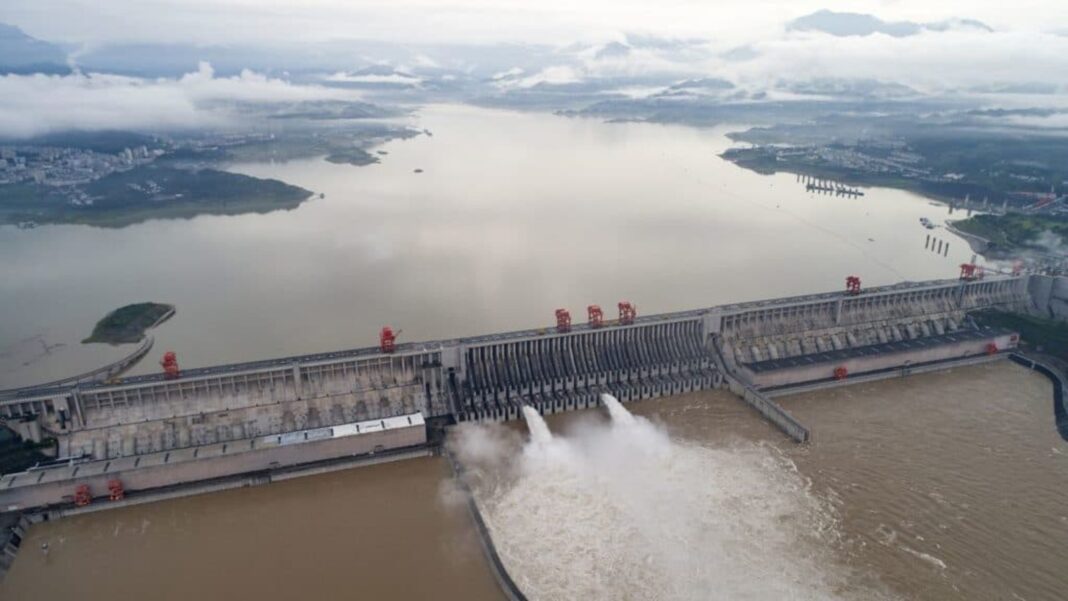

In a recent development, China’s ambitious water management projects have raised concerns in the South Asian region, particularly regarding the construction of a massive dam on the Yarlung Tsangpo river, also known as the Brahmaputra in India. This move is seen as potentially detrimental to the water security of downstream countries like India, Bhutan Nepal, and Bangladesh. Also this dam has sparked concerns over its potential economic impact on downstream nations like Nepal, India, and Bangladesh. Experts warn that the alteration of natural river flows could severely disrupt the economies of these countries.
The dam’s construction threatens to disrupt agricultural activities, which are vital to the economies of Nepal, India, and Bangladesh. Changes in water flow patterns could lead to decreased irrigation for crops, resulting in lower agricultural productivity and potential food shortages. Additionally, the dam’s impact on water availability for drinking and industrial purposes could further strain already vulnerable economies.
According to reports from environmental organizations and economic analysts, the potential economic losses resulting from China’s dam projects could be substantial. The livelihoods of millions of people dependent on agriculture and other water-dependent sectors are at risk, potentially leading to increased poverty and economic instability in the region.
The Yarlung Tsangpo originates from melting glaciers and mountain springs. The river flows down the Himalayan watershed and supplies drinking water to an estimated 1.8 billion people in China, India and Bhutan. At one point, the river descends approximately 2,700 meters through the Yarlung Tsangpo, creating a huge gorge more than twice as deep as the Grand Canyon in the United States.
The controversial dam, located in Tibet near the bend of the river close to Arunachal Pradesh, poses significant threats to the region’s stability. China’s strategic advantage as an upper riparian state, coupled with its increasing domestic water demands, has led to the construction of mega dams, altering natural river flows and impacting downstream nations’ water resources.
According to satellite imagery and recent reports, the mega dam project is situated approximately 30 kilometers north of Hilsa in Nepal and about 60 kilometers from India’s border. This proximity underscores China’s strategic intentions, raising alarms about its influence on regional water security.
The construction of such dams not only disrupts the natural ecosystem of rivers but also affects agricultural activities, essential for food security in South Asian countries. Moreover, changes in water flow patterns exacerbate climate-related risks, compounding challenges for adaptation and increasing vulnerabilities in the region.
One of the most significant concerns is the potential for interstate water disputes due to unilateral changes in water flow caused by upstream dam constructions. The threat of flooding during the monsoon season in densely populated areas along the Brahmaputra River basin further underscores the risks associated with China’s water management practices.
Critics argue that China’s actions are not only detrimental to its domestic environment but also pose existential threats to neighboring countries facing water security concerns. The Belt and Road Initiative, touted as a flagship economic project, has been criticized for exacerbating ecological degradation and disregarding environmental concerns.
Addressing these challenges requires collective action from like-minded nations through international forums to hold China accountable for its actions. Concerned parties must collaborate to mitigate environmental degradation and ensure water security in the region, safeguarding the livelihoods of millions dependent on river resources.
As China’s water management practices continue to draw scrutiny, the need for coordinated efforts to address transboundary water issues and promote sustainable development becomes increasingly urgent.