
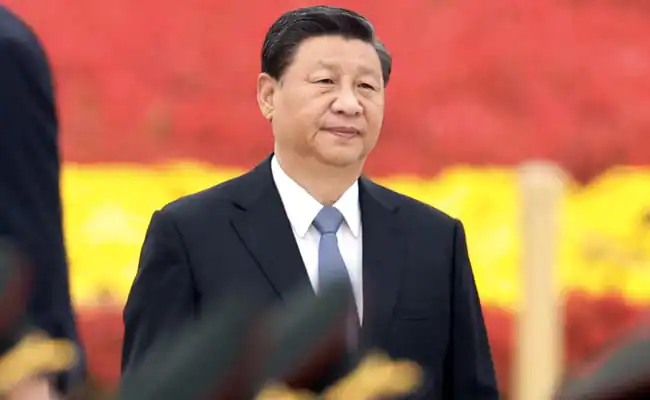

The Chinese government under President Xi Jinping is accelerating its campaign to influence media outlets and news consumers by using coercive tactics to shape media narratives and suppress critical reporting, according to US-based think tank Freedom House.
“Mass distribution of Beijing-backed content via mainstream media, harassment and intimidation of outlets that publish news or opinions disfavored by the Chinese government, and the use of cyberbullying, fake social media accounts, and targeted disinformation campaigns are among the tactics that have been employed more widely since 2019,” the report said.
Aside from using the tools of traditional public diplomacy, Beijing uses many others ways which are covert, coercive, and potentially corrupt.
“A growing number of countries have demonstrated considerable resistance in recent years, but Beijing’s tactics are simultaneously becoming more sophisticated, more aggressive, and harder to detect,” the report said.
It says the regime’s investment has already achieved some results, establishing new routes through which Chinese state media content can reach vast audiences, incentivizing self-censorship on topics disfavored by the Chinese Communist Party (CCP).
According to the Freedom House report, Beijing’s actions also have long-term implications, particularly as it gains leverage over key portions of the information infrastructure in many settings. The possible future impact of these developments should not be underestimated.
“The Chinese government, under the leadership of President Xi Jinping, is accelerating a massive campaign to influence media outlets and news consumers around the world. Moreover, the experience of countries including Taiwan, the United States, the United Kingdom, and Australia point toward a recent turn to more aggressive, confrontational, or surreptitious tactics as milder influence efforts fail to achieve the desired results,” it adds.
While raising concern about the media environment, the report states the trend is likely to expand to additional countries in the coming years.
It says more countries–and their researchers, journalists, and policymakers–should expect to encounter a rise in diplomatic intimidation, cyberbullying, manipulation by hired influencers on social media, and targeted disinformation campaigns designed to sow confusion about the CCP and their own societies.
The report said the Chinese regime and its proxies have shown that they have no qualms about deploying economic pressure to neutralize and suppress unfavourable coverage.
Dismissing the Freedom House report, China alleged that the Washington-based think tank “has a long track record of making false allegations on China-related issues. This report is not fact-based and is driven by ulterior motives.”
Addressing a press briefing, Chinese Foreign Ministry spokesperson Mao Ning said, “telling the story of the Communist Party of China (CPC) and presenting a true, multi-dimensional and panoramic view of China to the world is part and parcel of the job of Chinese media and foreign service.”
“What we share with the world are facts, real numbers, concrete examples and plain truth. They are completely different from the so-called influence efforts or disinformation in the report,” the spokesperson added.