
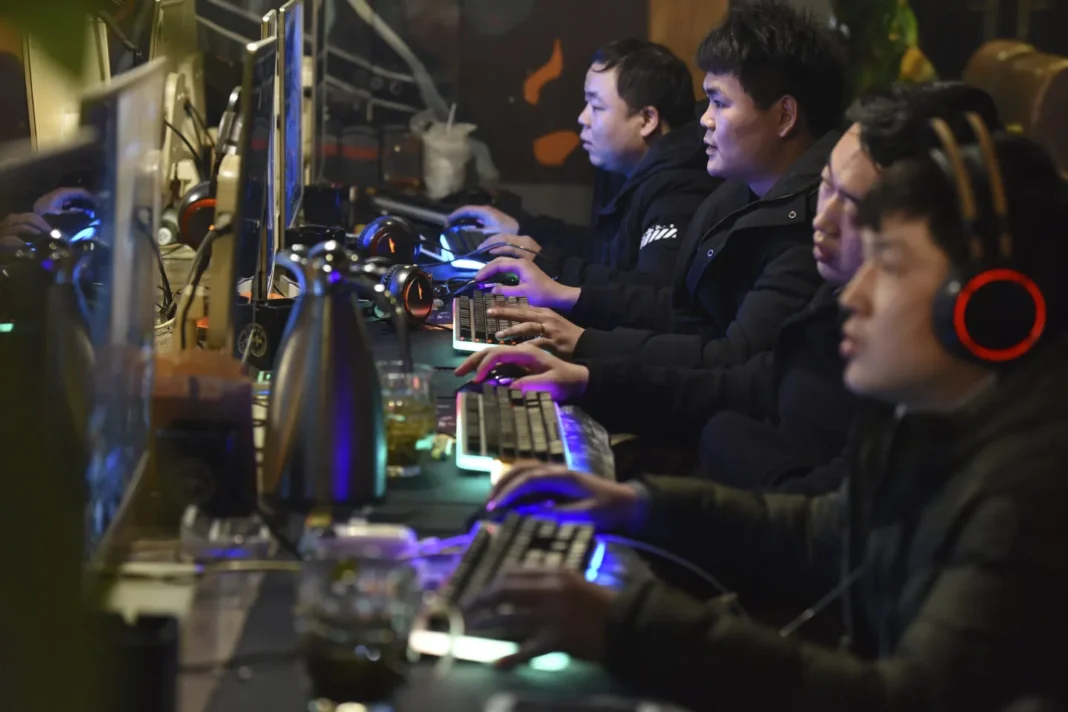

China’s gaming industry, once a global powerhouse, is now facing mounting challenges due to U.S. tariffs and shifting economic conditions. These tariffs have disrupted the industry’s supply chains, increased production costs, and led to a decline in revenue. As a result, Chinese manufacturers, game developers, and workers are feeling the strain, with many companies struggling to maintain profitability.
For years, China dominated the gaming sector, with companies like Tencent and NetEase leading the charge. However, recent regulatory crackdowns, coupled with economic uncertainty, have weakened the industry’s stronghold. The U.S. tariffs have further exacerbated the situation, forcing manufacturers to reconsider their operations and game publishers to rethink their strategies.
The ripple effects of these tariffs extend beyond just the gaming industry. Job losses, reduced investment, and declining exports are reshaping China’s economic landscape. As the country grapples with these setbacks, the future of its gaming sector remains uncertain, with companies searching for ways to adapt and survive.
China has long been a dominant force in the global gaming market, with companies like Tencent and NetEase leading the industry. However, recent regulatory crackdowns and economic challenges have caused a downturn. In 2022, video game revenues declined for the first time since 2005, dropping 1.8% to 147.8 billion Yuan ($21.9 billion). The slowdown in China’s economy, coupled with high youth unemployment (19.3%), has further reduced consumer spending on games.
The Chinese government has imposed strict regulations on gaming, including restrictions on playtime for minors and limitations on game content. These policies have led to decreased engagement and lower revenues for gaming companies. Additionally, the broader economic slowdown has affected consumer purchasing power, making it harder for companies to maintain growth. As a result, many gaming firms are struggling to adapt to the changing landscape, facing declining profits and uncertain futures.
The U.S. tariffs on Chinese imports have significantly increased production costs, creating challenges for Chinese manufacturers trying to compete in the global market. Many tabletop game companies, which have long depended on China’s affordable production capabilities, are now reconsidering their supply chains. The rising costs associated with these tariffs have forced businesses to explore alternative manufacturing locations, such as Vietnam and India, where production remains more cost-effective.
As a result, China’s share in the gaming industry’s revenue is shrinking. Companies that once relied on Chinese factories for mass production are now shifting operations elsewhere to mitigate financial losses. This transition is not only affecting manufacturers but also impacting workers, leading to job losses and economic uncertainty in China’s industrial sector. The long-term effects of these tariffs could reshape the global gaming industry, forcing companies to adapt to new economic realities while China struggles to maintain its dominance in manufacturing.
The gaming sector has experienced significant job losses due to economic pressures and government regulations. In December 2023, China’s top three gaming companies collectively lost $80 billion in market value, with Tencent alone seeing a decline of $50 billion. This downturn has been largely attributed to strict government policies that have imposed restrictions on online gaming, including limitations on playtime for minors and spending caps for players.
These regulations have led to reduced engagement and lower revenues for gaming companies, forcing many to cut costs by laying off employees. The uncertainty surrounding the industry has made it difficult for companies to attract investment, further exacerbating financial struggles.
As a result, thousands of workers in the gaming sector have lost their jobs, and many companies are struggling to maintain profitability. The long-term impact of these policies remains unclear, but the industry continues to face challenges in adapting to the evolving regulatory landscape.
Despite these challenges, some analysts believe that demographic shifts and technological advancements could drive long-term growth. China’s gaming industry has historically thrived due to its massive consumer base and technological innovation. However, recent economic pressures and regulatory changes have forced companies to rethink their strategies.
One potential avenue for recovery is the expansion of cloud gaming and artificial intelligence-driven game development. As technology advances, companies may find new ways to engage players and reduce production costs. Additionally, demographic shifts, such as an aging population and changing consumer preferences, could lead to new gaming trends that favour different types of content and business models.
However, unless China adapts to the changing global landscape, its gaming industry may continue to struggle. The combination of U.S. tariffs, domestic regulations, and economic uncertainty has created a challenging environment for game developers and manufacturers. The industry must find innovative solutions to remain competitive and sustain growth in the years ahead.