
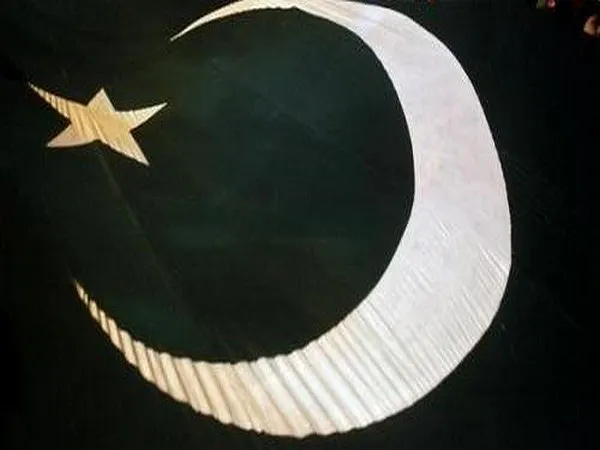

Four years after the Taliban returned to power in Kabul, Pakistan is orchestrating another proxy war in its decades-long involvement in Afghanistan. Recent reports from Pakistani media and international outlets suggest that Islamabad is planning to allow the Afghan opposition to open an office on its territory, a move widely seen as a direct attempt to undermine the Taliban regime in Afghanistan. This comes amid growing hostility between the two neighbors, triggered by Pakistan’s airstrikes on Afghan territory, the mass deportation of Afghan refugees, and Islamabad’s refusal to recognize the Taliban government. Analysts believe Pakistan’s powerful military establishment, led by Field Marshal Asim Munir, is increasingly frustrated with the Taliban’s failure to serve its traditional “strategic depth” role — using Afghanistan as a friendly, pliant buffer against India. Instead, the Taliban has maintained a pragmatic distance from Islamabad and opened diplomatic channels with New Delhi, a development that has enraged Pakistan’s generals.
When the Taliban seized Kabul in August 2021, many in Pakistan’s establishment celebrated it as a “strategic victory,” assuming that their long-time allies would align with Islamabad’s interests. But the honeymoon quickly faded. The Taliban leadership has resisted Pakistan’s pressure and refused to turn Afghanistan into a client state. Instead, they have asserted sovereignty, defying Islamabad on key issues like the Durand Line border, trade policies, and counterterrorism cooperation. Frustrated by this defiance, Pakistan’s military now appears to be returning to its old playbook: destabilization through proxies.
Reports indicate that Pakistan’s military and intelligence agencies are quietly backing exiled Afghan opposition figures and are considering allowing them to open an official office on Pakistani soil. This would mark a major escalation in Islamabad’s policy toward Kabul. Several political figures from the former Afghan republic, including members of the erstwhile Northern Alliance and the exiled National Resistance Front (NRF), have already been living in Pakistan for years. According to reports, meetings between Pakistani officials and members of the Afghan opposition have taken place in recent months to explore ways to “revitalize” the anti-Taliban movement. Observers warn that this policy risks plunging Afghanistan back into chaos, something the region can ill afford.
Furthermore, this year, Pakistan carried out several airstrikes in eastern Afghanistan, reportedly targeting hideouts of the TTP. However, most of these strikes hit civilian areas, killing and injuring dozens of Afghans, most of them Pashtuns. Kabul summoned Pakistan’s envoy and warned that such strikes violated Afghan sovereignty and could lead to severe consequences. These incidents have deepened public anger against Pakistan, with thousands of Afghans taking to social media to denounce Islamabad’s actions. Hashtags such as “#StopPakistanAirstrikes” and “#HandsOffAfghanistan” have trended on X (formerly Twitter), reflecting a rising tide of resentment across Afghanistan.
Pakistan’s handling of Afghan refugees has added another layer of hostility. Since late 2023, Islamabad has deported hundreds of thousands of Afghan refugees, many of whom had lived in Pakistan for decades. The United Nations and human rights organizations have criticized the move, describing it as a violation of humanitarian law. Yet, Pakistan continues its expulsions, claiming that refugees are a security burden and a cover for alleged militant infiltration. This hardline stance, combined with military aggression and political interference, has pushed Afghanistan-Pakistan relations to their lowest point since the Taliban’s takeover.
The plan to open an Afghan opposition office in Pakistan would take this confrontation even further. Analysts believe Islamabad’s goal is to cultivate an alternative Afghan leadership loyal to Pakistani interests. By hosting opposition leaders, Pakistan hopes to signal that it can still shape Afghanistan’s future and punish the Taliban for its defiance. But such a step would likely provoke retaliation from Kabul and further destabilize the border regions. The Taliban has already warned that any anti-Taliban activities organized from Pakistan would be treated as acts of hostility. This raises the prospect of cross-border clashes, militant escalation, and even greater instability across the region.
The irony is that Pakistan’s actions are not only harming Afghanistan but also backfiring at home. Airstrikes and covert operations have failed to contain the TTP, which continues to attack Pakistani security forces in Khyber Pakhtunkhwa and Balochistan. Pakistan’s own economy is in freefall, yet the military establishment continues to prioritize strategic adventures over domestic stability. By attempting to undermine the Taliban, Islamabad risks reigniting a proxy war on its doorstep. Instead of focusing on its collapsing economy and internal unrest, the Pakistani state is once again meddling in Afghanistan, repeating the same mistakes that have plagued its foreign policy for decades.
Pakistan’s frustration with the Taliban also stems from Kabul’s emerging diplomatic outreach to India. For Pakistan’s military generals, this is unacceptable; they had hoped the Taliban would isolate India from Afghanistan entirely. Instead, Afghanistan is quietly pursuing an independent foreign policy, one that does not rely on Islamabad’s approval. The more the Taliban asserts sovereignty, the more aggressive Pakistan becomes in trying to reassert control. The plan to host the Afghan opposition is therefore not just a political maneuver but a sign of desperation.
Its decision to deport refugees, bomb Afghan villages, and interfere in Kabul’s politics has drawn condemnation from human rights organizations and global observers. Even traditional allies in the Muslim world are wary of Islamabad’s adventurism. If the military establishment continues to treat Afghanistan as a pawn rather than a neighbor, the result will be greater insecurity on both sides of the border. Pakistan’s attempts to unseat the Taliban by supporting opposition leaders will not bring stability or influence, only more bloodshed.
As Pakistan tightens its control over politics at home, its behavior abroad reflects the same authoritarian mindset. The generals who have failed to fix their own collapsing economy are now exporting instability to Afghanistan. Afghanistan’s people will pay the highest price for Pakistan’s meddling. However, Pakistan will not make friends in Afghanistan, but another generation of Afghans will be united in anger against it. This dangerous game, if allowed to continue, could ignite yet another regional crisis. The consequences will not stop at the Durand Line. They will ripple across South and Central Asia, undoing any remaining hope for peace.