

Pakistan has always been reliant on foreign patronage, be it US, China, or several Gulf nations and even after 75 years of independence, the country’s elite are continuing to tread on the same path, no matter what the consequences, media reports said.
Over the decades, Pakistan has built the desire to benefit from geopolitical “rents” and donations. This habit is instilled in their gut so much so that it is hard for the country to let go of the foreign largesse.
The current generation of elites in Pakistan is blind to how the geopolitical sands have shifted under their feet. They are still in the same slumber. Since the turn of the 21st century, Pakistan’s stability has been underpinned by four main patrons — the United States, China, and the Gulf monarchies of Saudi Arabia and the United Arab Emirates.
Starting with United States, Washington offered a lifeline to Pakistan’s former military leader Pervez Musharraf’s dictatorship following the 9/11 terror attacks. US restructured its loans for Pakistan and it sent oodles of money to Islamabad and Rawalpindi.
It felt like the good times had come for Pakistan along with the US patronage and support for the country.
But the fall was awaiting. The dictatorship collapsed, under the weight of its own illegitimacy. The country now stared into the abyss.
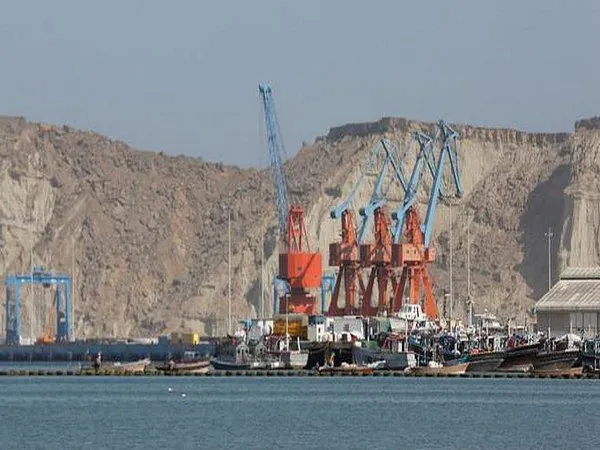
And by the time Washington soured on Pakistan, a new economic player was in town — China, as per the media portal. Crippled by terrorism and power blackouts, Pakistan needed a saviour which emerged in the form of the China-Pakistan Economic Corridor (CPEC).
Once again the good old days returned but soon Pakistan found itself on the brink of a devastating collapse.
This time around, however, the geopolitical gods were not inclined to be kind to Pakistan and its ruling elite. A multipolar world was emerging and great power competition was back in vogue; the coronavirus only accelerated the pace of events.
In the past, great power competition between the United States and the Soviet Union had been a boon for Pakistan, but this time around the action lies in East Asia.
US had to deal with the ever-rising China and hence the US wrapped the war in Afghanistan and clearly signalling that the only country in South Asia that he had a personal interest in was India.
This view was reinforced by the collapse of Ashraf Ghani’s regime in the backdrop of the withdrawal of American forces; Imran Khan’s statement that Afghans had broken the shackles of slavery underscored the view in Washington that Pakistan was not worth the drama.
Saudi Arabia and the United Arab Emirates — long-time strategic allies — also got involved, playing the role of political guarantor and lender of last resort.
During this period, a major shift also occurred in the Gulf monarchies as well. The emergence of a younger, more globally connected leadership in Saudi Arabia and the United Arab Emirates altered the regional geopolitical map.
Apprehensions were emerging from other Arab countries and China as well. The Arab monarchies were now interested in pursuing radical transformation of their economy, society, and foreign policy. The Abraham Accords, a major achievement of Trump’s presidency, was an inflection point.
The monarchies now cared about return on investment from their allies, which included Pakistan. Unfortunately for them, both the economic and geopolitical returns in the recent past were in the red.
China also began to develop a more nuanced and jaded view of Pakistan and what its elites could offer.
Pakistan now faces a huge challenge and once elites recognise that the days of extracting geopolitical rents are over, the country can begin the process of rebuilding its value proposition to the world.