
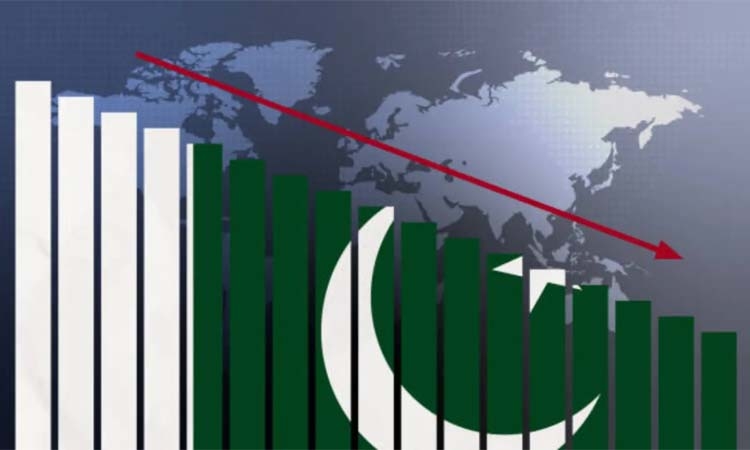

Pakistan’s 2025-26 federal budget was a masterclass in misplaced priorities. Amid soaring poverty, joblessness, and inequality, analysts expected a budget focused on relief for the masses. Instead, Islamabad delivered a blank check for the military, with a boost of 20%, and a death warrant for the poor. The government touts fiscal discipline and growth, but behind the glossy numbers lies a stark reality: the recent budget numbers utterly fail to tackle rising poverty, unemployment, and inequality, even as it funnels billions more to tanks and Pakistani army generals.
By every measure, poverty in Pakistan has worsened compared to previous years. In 2024, Pakistan’s poverty rate surged to about 25.3%, up from roughly 18% the year before. The World Bank estimates that this spike pushed an additional 13 million Pakistanis into poverty. Other assessments paint an even grimmer picture: using updated thresholds, poverty is now hovering near 40% of the population. That means almost 100 million citizens now struggle to survive. Far from acknowledging this crisis, the budget speech by Finance Minister Muhammad Aurangzeb did not even mention poverty. The message to the 11 million-plus destitute Pakistanis was clear: you are on your own.
In addition to rising poverty in Pakistan, unemployment has festered, and the government’s response has been to pretend it does not exist. With a youth bulge and a stagnant economy, joblessness in Pakistan is certainly far higher today. One estimate suggests that about 7.8% of the total population in Pakistan is unemployed, roughly 18.7 million people unable to find work. Among the workforce, that equates to an unemployment rate around 11%, a crisis level by any standard. One Pakistani analyst noted that the budget “lacks inclusive or pro-poor reforms and shows limited investment in health and education,” calling it a technocratic, “IMF-driven, tax-heavy” exercise divorced from human development. Millions of young Pakistanis are desperate and idle, yet the budget offers no plan to create jobs beyond wishful growth targets. Meanwhile, a growing number of frustrated workers are fleeing abroad to find work.
Perhaps the most cruel aspect of Pakistan’s economic direction is the exploding income disparity. The economy has effectively been captured by a tiny elite, comprising top military officials, bureaucrats, dynastic politicians, and billionaire cronies. This 1% elite controls 95% of national wealth, while the masses scramble for crumbs. The tax system is skewed to favor the wealthy, who enjoy huge exemptions and pay little, while the poor are crushed by indirect levies on fuel and essentials. This upside-down system means the poor are taxed into oblivion to subsidize the lifestyles of the powerful. The Pakistani government’s failure to enact any meaningful wealth redistribution or social protection amid a crisis of inequality shows a deliberate choice to protect the elite class at all costs.
Despite the economy being on life support from the IMF, the 2025–26 budget managed to find a colossal sum for the military. Defence spending is being hiked by 20% this year, the steepest increase in over a decade, bringing the official defense allocation to about $9 billion. By contrast, the government is cutting overall federal expenditures by 7% to comply with the IMF’s austerity measures. This means almost every other sector faces cuts, except the military. The party of former Prime Minister Imran Khan dubbed the recent budget “anti-people” and “crafted for the elite,” noting it provides “no real relief” to ordinary citizens. Development programs, education, health, and social services are being starved to feed Pakistan’s ever-hungry defense appetite. Federal health programs and education get a pitiful combined sum under 1% of GDP, among the lowest in the world.
Meanwhile, defence consumes nearly 2% of GDP and roughly 18% of the entire budget. Pakistan’s military-backed government made its priorities clear: it would rather buy new missiles than build new hospitals or schools for its people. The military enjoys near-total impunity in economic affairs: defense allocations are routinely passed by parliament without debate, and military-owned business empires pay minimal taxes. In essence, a triumvirate of the military, its civilian cronies, and allied oligarchs imposes its will on budget decisions, which are then rubber-stamped by parliament. Budgets thus protect elite privilege, especially the military’s perks, over public welfare or equity.
Every year brings the same lofty promises of growth and stability, and every year, the average Pakistani finds life getting harder. Poverty in Pakistan was actually declining a few years ago (hitting 17% in 2022 by one estimate), but is now back to levels unseen in decades. Unemployment remains officially “unknown” – a convenient way to hide the truth that it is likely the highest it is been since the 1990s. And inequality has hardened into a near-feudal stratification. The policy decisions of successive governments in Pakistan have consistently neglected the economic empowerment of the people. Instead of investing in human capital or productive jobs, rulers in Islamabad chase short-term fixes – loans, bailouts, and ever more defense spending to appease the top brass. Pakistan had a chance this year to break the cycle and prioritize the “human security” of its citizens over traditional security obsessions. That chance was squandered. Pakistan is set to spend more on interest payments and defense combined than on all social services, development, and subsidies put together.
The recent budget exposes the Pakistan government’s estrangement from its people’s suffering. It is a document written by the elite, for the military and feudal elites of the country. Until Pakistan’s leaders find the courage to challenge the domination of the military and the ultra-rich over national policy, budgets will continue to be hollow exercises and the economy will remain on its knees. If nothing changes, soaring poverty, joblessness, and inequality will tear Pakistan’s social fabric apart and destroy any prospect of stability. And no amount of tanks or warplanes will hold together a nation coming apart from within. Recent budget numbers in Pakistan show a total moral failure and a warning of darker days ahead, unless Pakistan radically rewrites its priorities. (Written by: Delwar Hossain, Journalist)