
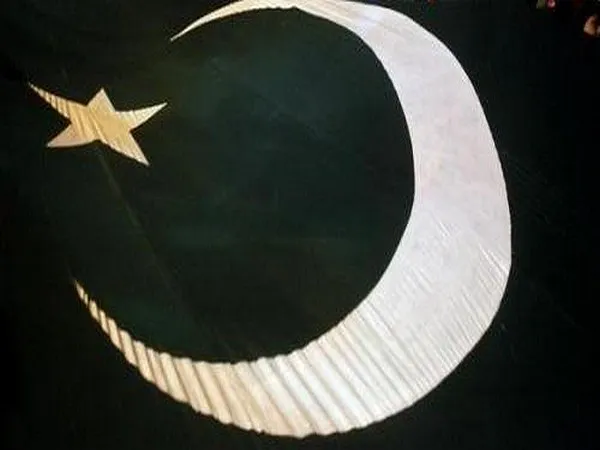

September 2025, a year after Pakistan’s February 2024 general elections, a revelation shattered the veneer of international democratic oversight. Drop Site News published a leaked report from the Commonwealth Observer Group, an explosive document that had been buried for over twelve months. It confirmed a grim reality for millions of Pakistanis: their election had been stolen through systematic manipulation, with international institutions complicit in concealing the truth.
The report exposed systematic electoral fraud orchestrated by Pakistan’s military regime and revealed how Western institutions, the Commonwealth, the European Union, and the United States, chose complicity over accountability. The Commonwealth Secretariat, under then-Secretary-General Patricia Scotland, took an unprecedented step in its 70-year history – suppressing its own election observer report at the request of Pakistan’s military-backed government. According to Drop Site investigators, “The report by the Commonwealth Secretariat should have been published just days after the February 2024 election under typical circumstances. Yet to this day it is absent from the Commonwealth’s website—the only time in its 70-year history it has failed to publish an elections observer report on any country.”
The European Union followed suit, refusing to release its findings despite repeated freedom of information requests. This wasn’t mere bureaucratic inertia, it was a calculated geopolitical decision. The suppression of these reports marked a turning point, where the guardians of democracy became its gravediggers, prioritizing strategic convenience over electoral integrity.
Pakistan’s military has long mastered the art of electoral manipulation, but the contrast between the 2018 and 2024 elections reveals a shift from subtle engineering to overt coercion. In 2018, the military’s objective was to install Imran Khan while maintaining plausible deniability. The manipulation was precise, designed to avoid international condemnation. Khan’s victory was calibrated, not overwhelming, but sufficient. Allegations centered on the sudden failure of the Result Transmission System, but the process retained enough ambiguity for Khan to declare the elections the “fairest” in Pakistan’s history. International observers registered concern, but their response was muted. The Trump administration noted “unequal campaign opportunities” and “flaws in the pre-voting process,” but stopped short of outright condemnation. The military achieved its goal while preserving international legitimacy.
By 2024, that restraint had vanished. Khan, despite imprisonment, remained Pakistan’s most popular politician. Public sentiment had turned decisively against military interference. The establishment responded with brute force. The Commonwealth Observer Group documented widespread abuses: PTI members arrested en masse, candidates forced to run as independents, the party stripped of its cricket bat symbol vital for illiterate voters and over 10,000 arrests between December 2023 and May 2024. Campaign offices were raided, homes invaded, and on election day, television broadcasts showed PTI-backed candidates leading in over 127 seats, only for results to be reversed. The fraud unfolded in full public view, broadcast across television screens as it happened, systematically reversed after communication blackouts
Yet the international silence was deafening. Dr. Hussain Nadim of George Washington University captured this dynamic succinctly: “Both the EU and the UK have been comfortable with Pakistan Army’s onslaught against democracy and Imran Khan’s illegal incarceration as long as the military regime was compliant on the Ukraine war front.” The reward for this compliance was institutional protection. When Pakistan’s government requested suppression of the Commonwealth report, Patricia Scotland acquiesced. When EU citizens sought access to their observer mission’s findings, officials refused, citing concerns that disclosure would “undermine international relations.” The message was clear: protecting diplomatic ties mattered more than exposing electoral theft.
This pattern extended to Washington. The Biden administration, despite its professed commitment to democracy, responded with tepid concern. The State Department acknowledged “allegations of fraud” but took no action. This reflected a longstanding structural bias: “Pakistan’s army has long been America’s partner of choice,” and the belief that the military guarantees stability has persisted through both civilian and authoritarian regimes. In this framework, democracy is expendable; military cooperation, especially on nuclear security and regional counterterrorism, is essential.
The suppression of these observer reports exposes a profound breakdown in the systems responsible for upholding democratic integrity, both within Pakistan and across international institutions.
When institutions tasked with monitoring elections bury their own findings, when freedom of information laws are overridden by diplomatic expediency, and when electoral fraud is tolerated for geopolitical gain, the credibility of international democratic oversight collapses. The contrast between 2018’s surgical manipulation and 2024’s brazen overreach underscores how authoritarian regimes adapt their tactics, but the failure of international institutions to adapt their responses is even more damning.
As Foreign Affairs observed, “Until the parties recognize that their interests are no longer served by embracing Pakistan’s military, even momentous elections like February’s vote will fail to deliver real change.” The same principle applies to democracy’s institutional guardians. Until the Commonwealth, EU, and U.S. recognize that geopolitical convenience cannot justify electoral fraud, their legitimacy will remain compromised.
Pakistan’s 2024 election stands as a stark revelation of democratic failure with far-reaching international implications. The Commonwealth and EU didn’t merely fail to protect democracy; they actively participated in concealing its theft. The leaked Commonwealth report, now public through Drop Site News, offers irrefutable evidence of this complicity. As the whistleblower who released the document hoped, it should prompt a reckoning: a reflection on whether these institutions still serve democratic principles, or whether they have become instruments of strategic accommodation. The question now is whether they will choose to restore their credibility, or continue to trade democracy for diplomacy.