
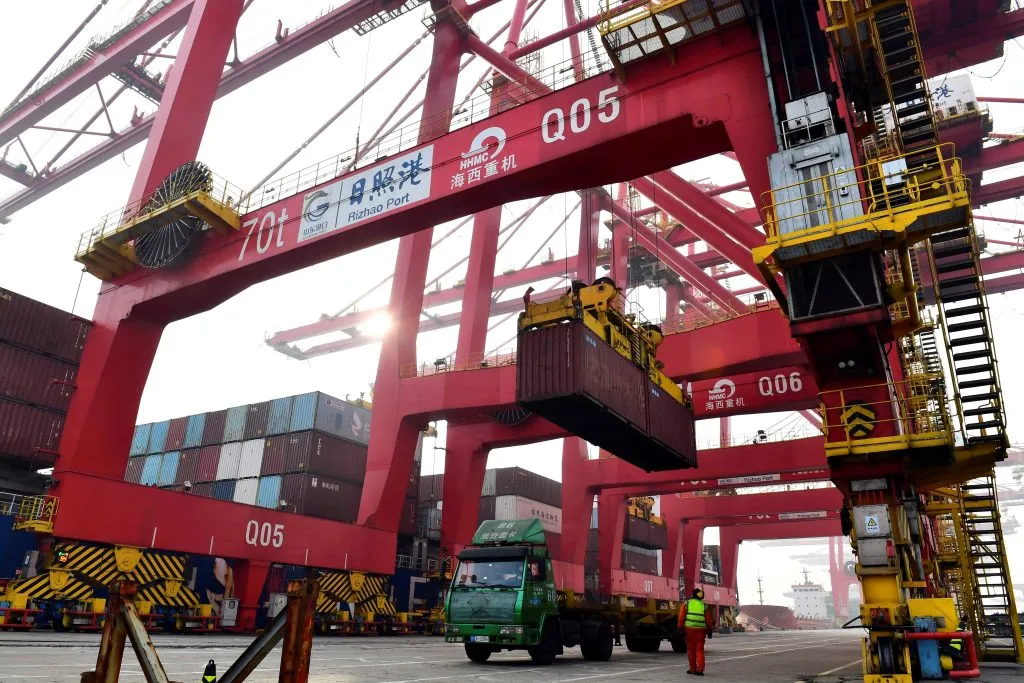

As the trade war between the United States and China intensifies, Beijing is tightening its grip on critical technology, minerals, and engineering talent, creating significant ripples across global supply chains. The Chinese government has implemented a series of measures aimed at preventing the outflow of essential know-how and equipment, particularly in sectors deemed vital for national security and economic independence. This has far-reaching implications for multinational corporations, such as Foxconn, a major contractor for Apple, which relies heavily on access to Chinese manufacturing capabilities and resources. The restrictions not only threaten the operational flexibility of these companies but also signal a broader shift in China’s strategy to bolster its domestic industries while curtailing foreign influence. By controlling the flow of advanced technologies and critical minerals, China aims to secure its position as a leader in the global tech landscape while simultaneously shielding its economy from external shocks.
The tightening of controls comes amid a backdrop of escalating tensions between Washington and Beijing, characterized by tariffs, sanctions, and mutual distrust. The U.S. has long accused China of unfair trade practices, intellectual property theft, and aggressive state-sponsored support for its technology firms. In response, the Chinese government has adopted a more assertive stance, emphasizing self-reliance and the need to develop indigenous capabilities. This shift is reflected in policies that prioritize the retention of skilled engineers and scientists within the country, as well as efforts to limit the export of advanced machinery and tools critical for high-tech manufacturing. For companies like Foxconn, which have established extensive supply chains in China, these developments pose significant challenges. The company must navigate a landscape where access to the very technology and expertise that has fuelled its growth is increasingly restricted.
Moreover, the restrictions on technology and knowledge transfer are not limited to equipment alone; they extend to the human capital that drives innovation. China has been actively working to attract and retain top engineering talent, recognizing that the future of its tech industry hinges on the ability to cultivate a skilled workforce. This has led to increased investment in education and research, as well as initiatives designed to create a more favourable environment for engineers and tech professionals. However, the simultaneous efforts to limit the outflow of talent to foreign companies exacerbate the challenges faced by multinational corporations. As skilled workers become more difficult to recruit or retain, companies like Foxconn may find it increasingly challenging to maintain their competitive edge, particularly in the fast-evolving tech landscape.
The implications of these developments extend beyond individual companies to the broader geopolitical landscape. China’s push for technological self-sufficiency is seen as a direct response to U.S. efforts to contain its rise and limit its access to critical technologies. This has prompted a reevaluation of global supply chains, with many companies considering diversifying their operations to mitigate risks associated with over-reliance on China. However, decoupling from the Chinese market is fraught with challenges, as many firms have built intricate networks that are not easily replicated elsewhere. The trade war has forced companies to reassess their strategies, balancing the need for access to Chinese resources and markets with the desire to comply with U.S. regulations and avoid potential backlash.
In addition to the challenges posed by restrictions on technology and talent, the trade war has also highlighted China’s dominance in critical minerals essential for high-tech manufacturing. The country is a leading supplier of rare earth elements, which are crucial for the production of electronics, batteries, and other advanced materials. As the U.S. seeks to reduce its dependence on Chinese minerals, the stakes have risen, prompting China to leverage its position as a key player in the global supply chain. By controlling access to these resources, China not only strengthens its bargaining power in trade negotiations but also fortifies its position as a leader in the green technology sector, where demand for rare earths is expected to soar in the coming years.
Furthermore, the tightening grip on technology and minerals reflects a broader trend of increased state intervention in the economy. The Chinese government is not only focused on securing its technological future but is also keen on maintaining control over key industries that are vital for national security. This has led to a wave of regulatory changes aimed at strengthening oversight of foreign companies operating in China, further complicating the landscape for multinational corporations. For Foxconn and others, navigating this regulatory environment requires agility and a deep understanding of the evolving geopolitical dynamics.
Ultimately, as the trade war spirals, the consequences of China’s tightening grip on technology, minerals, and engineering talent will reverberate across the global economy. Companies like Foxconn must adapt to a rapidly changing landscape, where access to critical resources and expertise is increasingly restricted. The trade war has underscored the complexities of global supply chains, prompting firms to reevaluate their strategies and consider new approaches to mitigate risks. As China seeks to assert its dominance in the tech sector while safeguarding its national interests, the implications for international trade and cooperation will be profound. The future of global technology and manufacturing will likely be characterized by increased fragmentation, as nations prioritize self-sufficiency and security over interdependence, reshaping the dynamics of the global economy for years to come.